
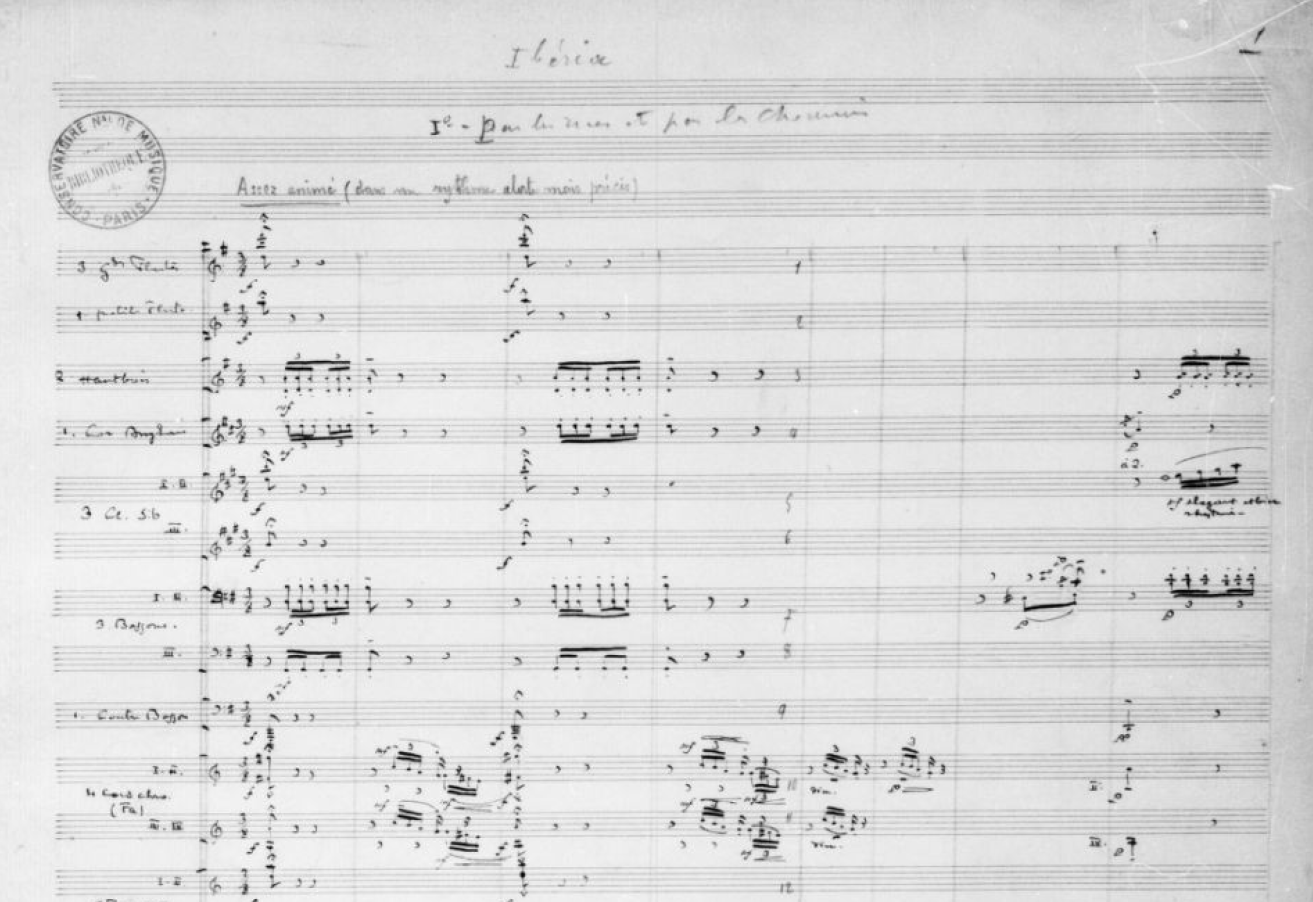
“Iberia”. Complete edition of the percussion parts. “Iberia”, by Claude Debussy, is the second piece in his orchestral triptych “Images pour Orchestre”, written between 1905 and 1908. A colorful piece on how he imagined Spain, a country he visited only for a couple of hours in 1880 when he was 18. The parts present mistakes… Continue reading “Iberia”. Complete edition of the percussion parts

Tag: suspended cymbal
“Alborada del Gracioso”. Complete edition of the percussion parts
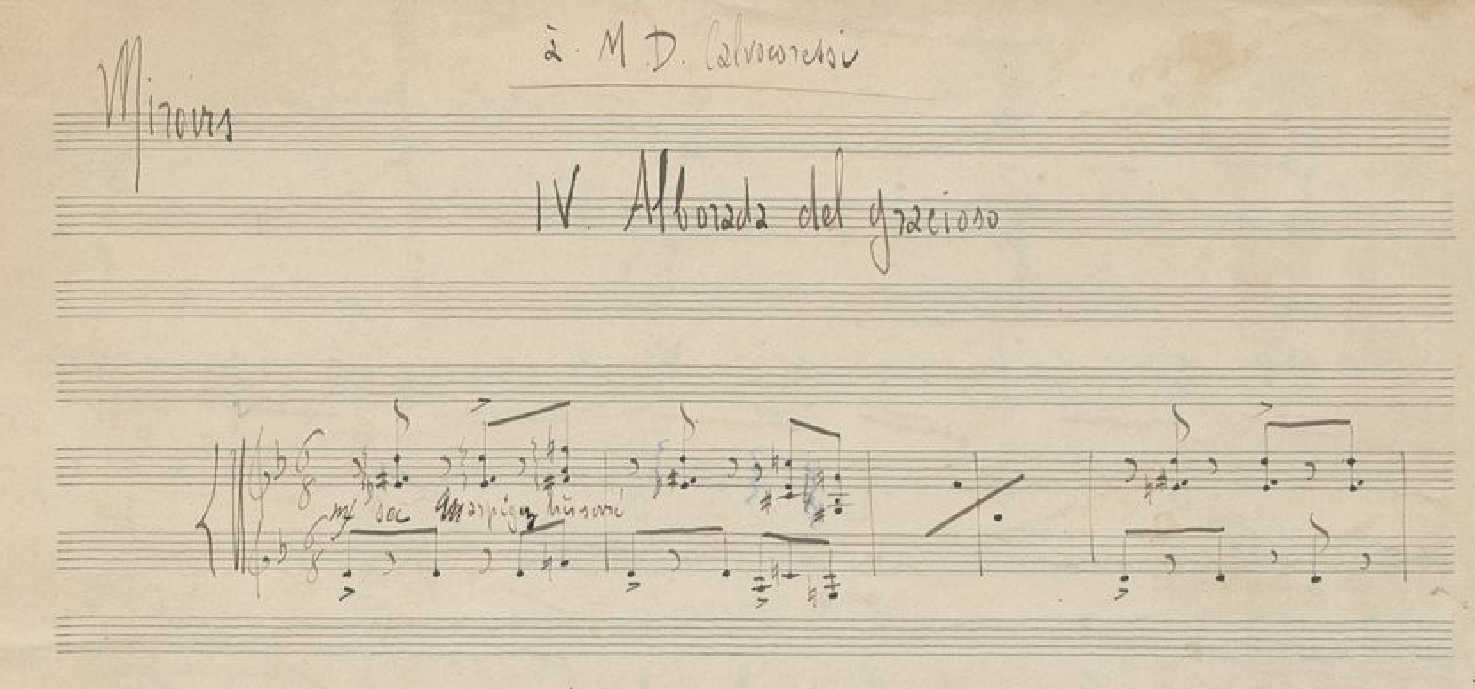
“Alborada del gracioso”. Complete edition of the percussion parts. “Alborada del gracioso”, by Maurice Ravel, started as the fourth number in his piano suite “Miroirs”. It was writen between 1904 and 1905 and, at the request of Diáguilev, it was orchestrated in 1918, becoming since then a staple in the symphonic repertoire. It is a… Continue reading “Alborada del Gracioso”. Complete edition of the percussion parts
“Nights in the gardens of Spain” – Complete edition
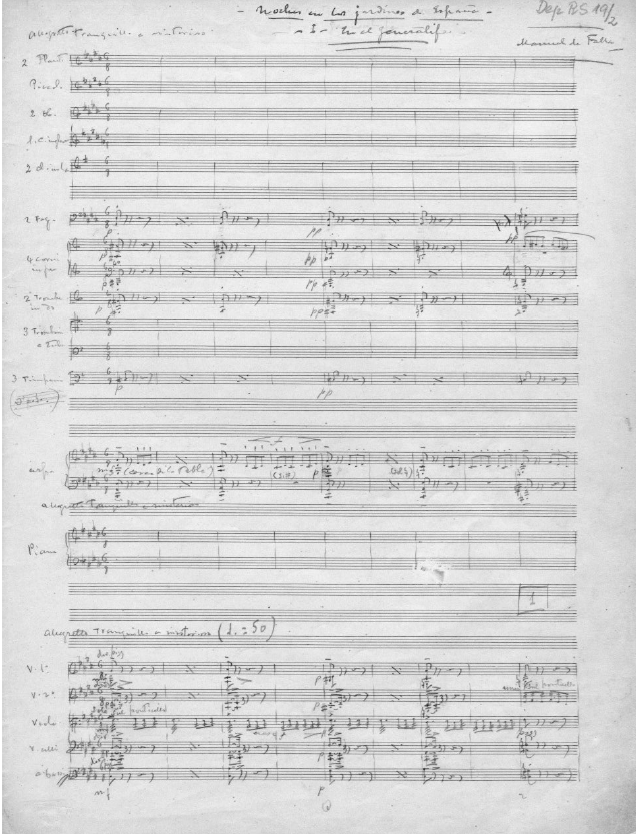
“Nights in the Gardens of Spain” – Complete edition Being 2026 the 150th anniversary of Manuel de Falla, his works are played even more than usual. Thanks to that important event, it is the second time this year that I play his wonderful “Nights in the Gardens of Spain”. The first time was last April,… Continue reading “Nights in the gardens of Spain” – Complete edition
More on cymbals and Russian notation

More on cymbals and Russian notation. Last week I wrote THIS article. While researching on another issue which I will write about soon, I found more music that proves my previous article; namely, that “+” means suspended cymbal played with a soft stick and “o” means cymbals “a 2”. Rimsky-Korsakov wrote the opera-ballet “Mlada”. Its third… Continue reading More on cymbals and Russian notation
Cymbals and their notation in the Russian tradition
Cymbals and their notation in the Russian tradition. If you have ever played cymbals in works from the Russian repertoire (specially from the late 19th-century and the first half of the 20th-century), you may have seen the following symbols: “+” and “o”. They have been driving percussionists mad for a very long time, but this… Continue reading Cymbals and their notation in the Russian tradition