

A mistake in the tambourine part in “Trepak” We are deep into “The Nutcracker” (P. I. Tchaikovsky) season. This ballet is a tremendously popular work that is played very often during Christmas. The percussion parts are great and the “Trepak” features a very funny part, which is also technical challenge, and that is why it… Continue reading A mistake in the tambourine part in “Trepak”

Category: Sin categoría
In memoriam Kurt-Hans Goedicke

In memoriam Kurt-Hans Goedicke Kurt-Hans Goedicke passed away on August, 22. After graduating at the Universitat der Kunste in Berlin, he joined the RTÉ Symphony Orchestra for a brief period of time. Since 1964 until his retirement in 2000, he was the timpanist for the London Symphony Orchestra. He was, also, the Head of… Continue reading In memoriam Kurt-Hans Goedicke
Carmina Burana revealed (part 2)

“Carmina Burana” revealed (part 2). On June 24, my second article on “Carmina Burana” (this time dealing with the snare drum, tambourine and triangle parts) was published on the GROVER PRO website. You can read it HERE. I hope you enjoy it. Please stay tuned for the next articles in the series. … Continue reading Carmina Burana revealed (part 2)
Mahler No. 3. Snare drum in the distance.

Mahler No. 3. Snare drum in the distance. Celebrating the 25th anniversary of the “Príncipe Felipe” auditorium in Oviedo, the Oviedo Filarmonía and the Orquesta Sinfónica del Principado de Asturias join forces to play one of the most monumental works in the repertoire: Mahler´s Symphony No. 3. This time, I am in charge of… Continue reading Mahler No. 3. Snare drum in the distance.
Converting a tom into a snare drum.

Converting a tom into a snare drum. This project starts with a phone call by my colleague Adrián, owner of a 10″x7″ Tama Silverstar tom that he wanted to convert into a snare drum. The original tom. I disassembled all the parts so I could make the snare beds, a necessary structure so the snares… Continue reading Converting a tom into a snare drum.
“Xilofono basso” in “Turandot” (G. Puccini) – (and II?)

“Xilofono basso” in “Turandot” (G. Puccini) – (and II?). In my PREVIOUS ARTICLE I showed you which instrument wanted Puccini as the “xilofono basso”, where he found his inspiration, who provided him with he original instrument and how he ordered a copy to be made for “Turandot”. Just imagine that we could find that original… Continue reading “Xilofono basso” in “Turandot” (G. Puccini) – (and II?)
Tchaikovsky´s “Arabic Dance” – Articulate or roll?
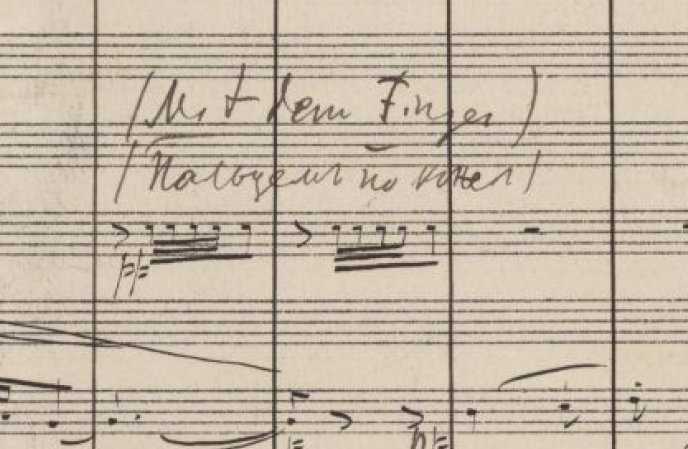
Tchaikovsky´s “Arabic Dance” – Articulate or roll? Last December 27 my article on the tambourine part of Tchaikovsky´s “Arabic Dance” (from “The Nutcracker”) was published on the Grover Pro website. You can read it clicking on the banner below: Thank you very much to Svetlana Manakova for helping me to translate the Russian indications. …et… Continue reading Tchaikovsky´s “Arabic Dance” – Articulate or roll?
Herd bells in “Tosca”.

Herd bells in “Tosca”. I have been to Rome lately, where I have spent some wonderfull days together with my family. Among many other places of general and musical interest, I have been to the Castel Sant´Angelo. The third act of “Tosca” takes place at this impresive building. More precisely at the upper platform. LA… Continue reading Herd bells in “Tosca”.
“Lieutenant Kije” and a peculiar tambourine technique

Lieutenant Kijé and a peculiar tambourine technique. On January 2, a new article of mine was published on the Grover Pro Percussion website. © Grover Pro Percussion Dealing with the very specific tambourine technique requested by Prokofiev in “Troika”, you can read it HERE. Tambourine part in “Troika”. …et in Arcadia ego. ©… Continue reading “Lieutenant Kije” and a peculiar tambourine technique
Cymbals and their notation in the Russian tradition
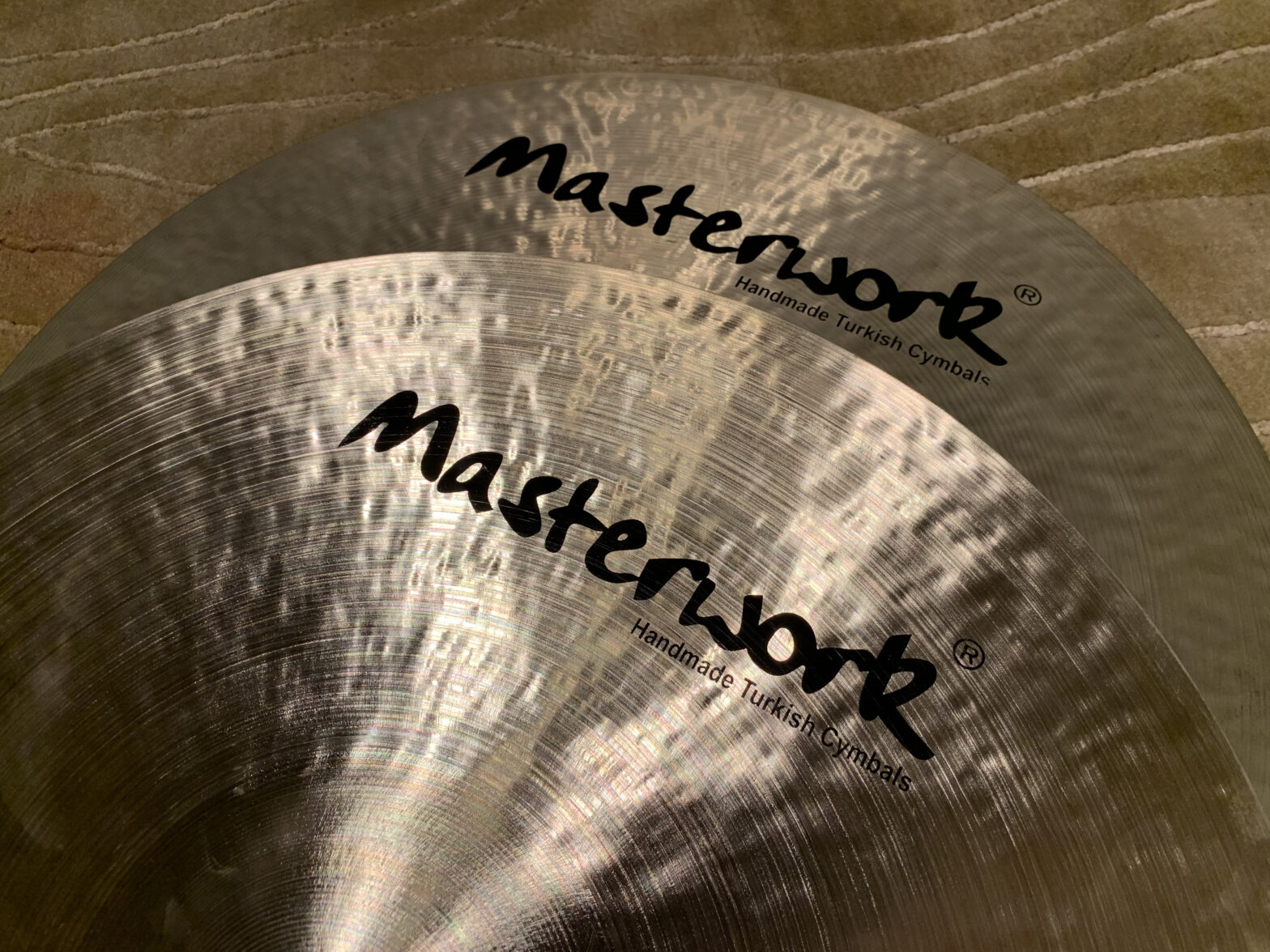
Cymbals and their notation in the Russian tradition. If you have ever played cymbals in works from the Russian repertoire (specially from the late 19th-century and the first half of the 20th-century), you may have seen the following symbols: “+” and “o”. They have been driving percussionists mad for a very long time, but this… Continue reading Cymbals and their notation in the Russian tradition