
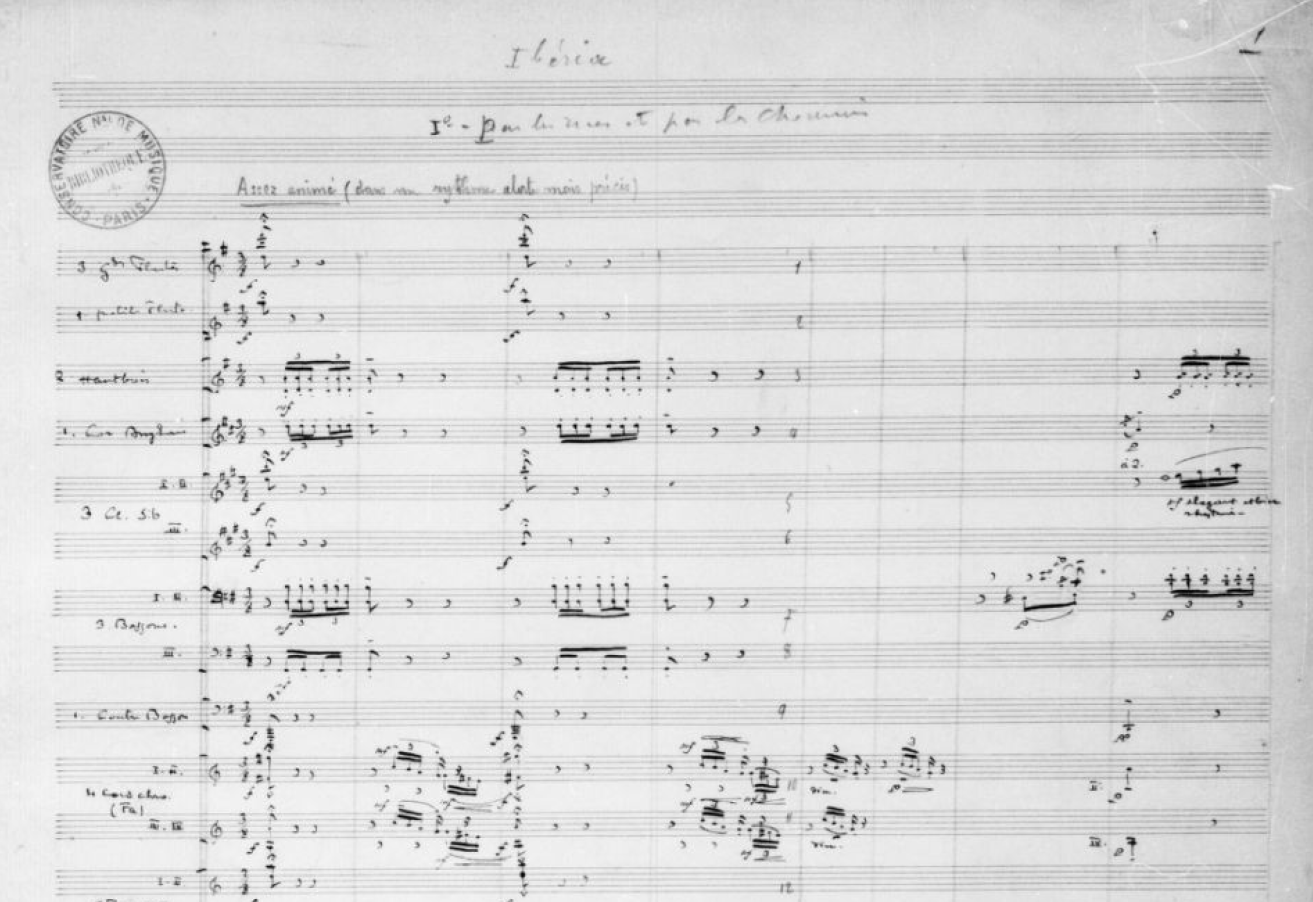
“Iberia”. Complete edition of the percussion parts. “Iberia”, by Claude Debussy, is the second piece in his orchestral triptych “Images pour Orchestre”, written between 1905 and 1908. A colorful piece on how he imagined Spain, a country he visited only for a couple of hours in 1880 when he was 18. The parts present mistakes… Continue reading “Iberia”. Complete edition of the percussion parts

Category: History
Articles dealing with the rich history of percussion instruments.
“La Boda de Luis Alonso”: Percussion parts
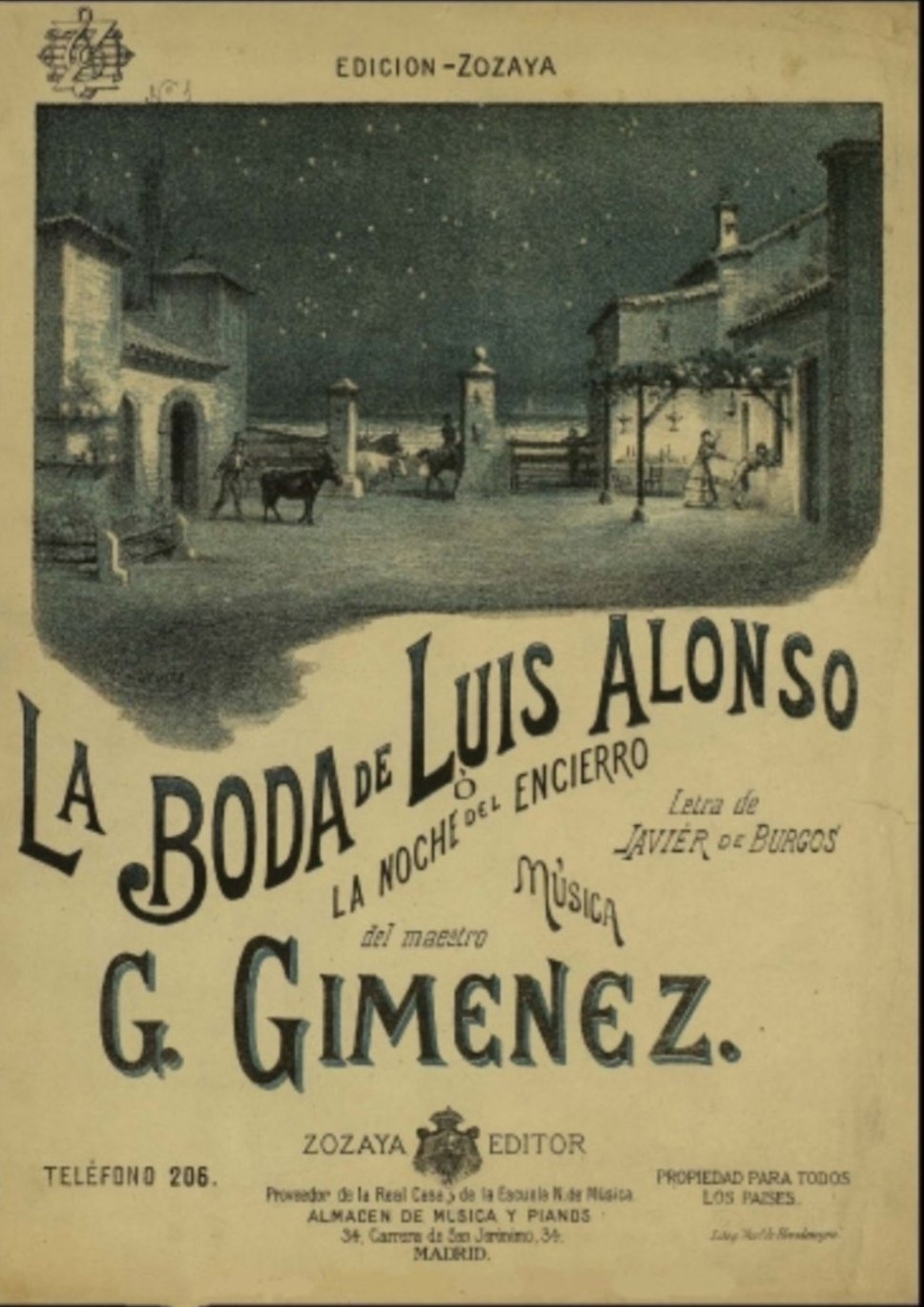
“La boda de Luis Alonso”: percussion parts. On November 12th I was honored to present a masterclass at PASIC 2026 dealing with castanet technique. One of the examples I used to illustrate it was “La boda de Luis Alonso”, by Gerónimo Giménez. The following links will take you to the original parts, edited by myself. TIMPANI… Continue reading “La Boda de Luis Alonso”: Percussion parts
Castanets in the orchestra: The Ultimate Technique!!!
Castanets in the orchestra: The Ultimate Technique!! The October issue of Percussive Notes includes an article of mine titled “Castanets in The Orchestra: The Ultimate Technique!!” An appetizer for my masterclass on the same subject, which will take place on November 12th at room 125, 13:00 (EDT) at the Indianapolis Convention Center. …et in… Continue reading Castanets in the orchestra: The Ultimate Technique!!!
The “mailloche”
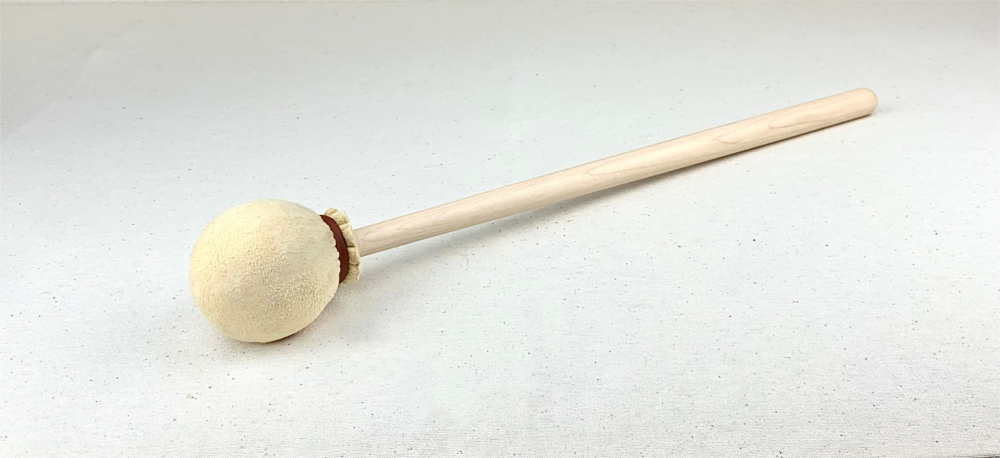
The “mailloche” If you have played French repertoire, chances of you having found the indication “mailloche” are very high. Altough the actual tendency is to not use a great variety of sticks on the bass drum, it is good to know what a mailloche is to enrich our tool arsenal, thus our expressive, timbrical and… Continue reading The “mailloche”
Soprano timpano in “Mlada” (Rimsky-Korsakov)

Soprano timpano in «Mlada» (Rimsky-Korsakov). «Mlada» is an opera-ballet by Rimsky-Korsakov written between 1899 and 1890 and premiered in 1892. It is hardly played nowadays, but the composer converted the third act into a tone poem named “A Night on Mount Triglav” which, again, is hardly played, but it is performed slightly more often (just… Continue reading Soprano timpano in “Mlada” (Rimsky-Korsakov)
“V” for “Victory”

“V” for “Victory” In 1941, just one year and four months after the outbreak of World War 2 and still another your years ahead before it concluded (1945), the Belgian politician exiled in London Victor de Laveleye was in charge of the broadcasts for the German-occupied Belgium. While working for the BBC, he had… Continue reading “V” for “Victory”
A mistake in the tambourine part in “Trepak”

A mistake in the tambourine part in “Trepak” We are deep into “The Nutcracker” (P. I. Tchaikovsky) season. This ballet is a tremendously popular work that is played very often during Christmas. The percussion parts are great and the “Trepak” features a very funny part, which is also technical challenge, and that is why it… Continue reading A mistake in the tambourine part in “Trepak”
Timpani in Mendelssohn´s “Italian” symphony

Timpani in Mendelssohn´s “Italian” symphony Felix Mendelssohn wrote his Symphony No. 4 in A major, op. 90 (“Italian”) between 1832 and 1833 after a “Grand Tour” that took him to Italy between 1830 and 1831. It is the fourth symphony in his catalogue, but the third one in chronological order of composition. Again, the… Continue reading Timpani in Mendelssohn´s “Italian” symphony
Timpani in Mendelssohn´s “Scottish” symphony

Timpani in Mendelssohn´s “Scottish” symphony Felix Mendelssohn started composing his Symphony No. 3 in A minor, op. 56 (“Scottish”) in 1829 after a trip to Scotland (which also inspired him to write the overture “The Hebrides”), but the symphony was abandoned for more than a decade and it was completed between 1841 and 1842. It… Continue reading Timpani in Mendelssohn´s “Scottish” symphony
Glissando bass drum in “Momente” (K. Stockhausen)

Glissando bass drum in “Momente” (K. Stockhausen) Karlheinz Stockhausen ´s “Momente” includes a very unusual drum: “DERI glissando drum”. © Karlheinz Stockhausen DERI has not a meaning in German; it is the acronym of DEibel and RImmel, as Max Deibel and Karl Rimmel were the founders of this brand. Karl Rimmel started with a… Continue reading Glissando bass drum in “Momente” (K. Stockhausen)