

“Rapsodie Espagnole”, by Ravel. “Rapsodie Espagnole“, by Ravel, is not only an important work in the symphonic repertoire; it also features wonderfully written percussion parts. Sadly, both the score and the particelle are plaged with numerous mistakes and missprints that the first edition has perpetuated in many performances and recordings. Because I played this work… Continue reading “Rapsodie Espagnole”, by Ravel

Tag: cymbals
More on cymbals and Russian notation

More on cymbals and Russian notation. Last week I wrote THIS article. While researching on another issue which I will write about soon, I found more music that proves my previous article; namely, that “+” means suspended cymbal played with a soft stick and “o” means cymbals “a 2”. Rimsky-Korsakov wrote the opera-ballet “Mlada”. Its third… Continue reading More on cymbals and Russian notation
Cymbals and their notation in the Russian tradition
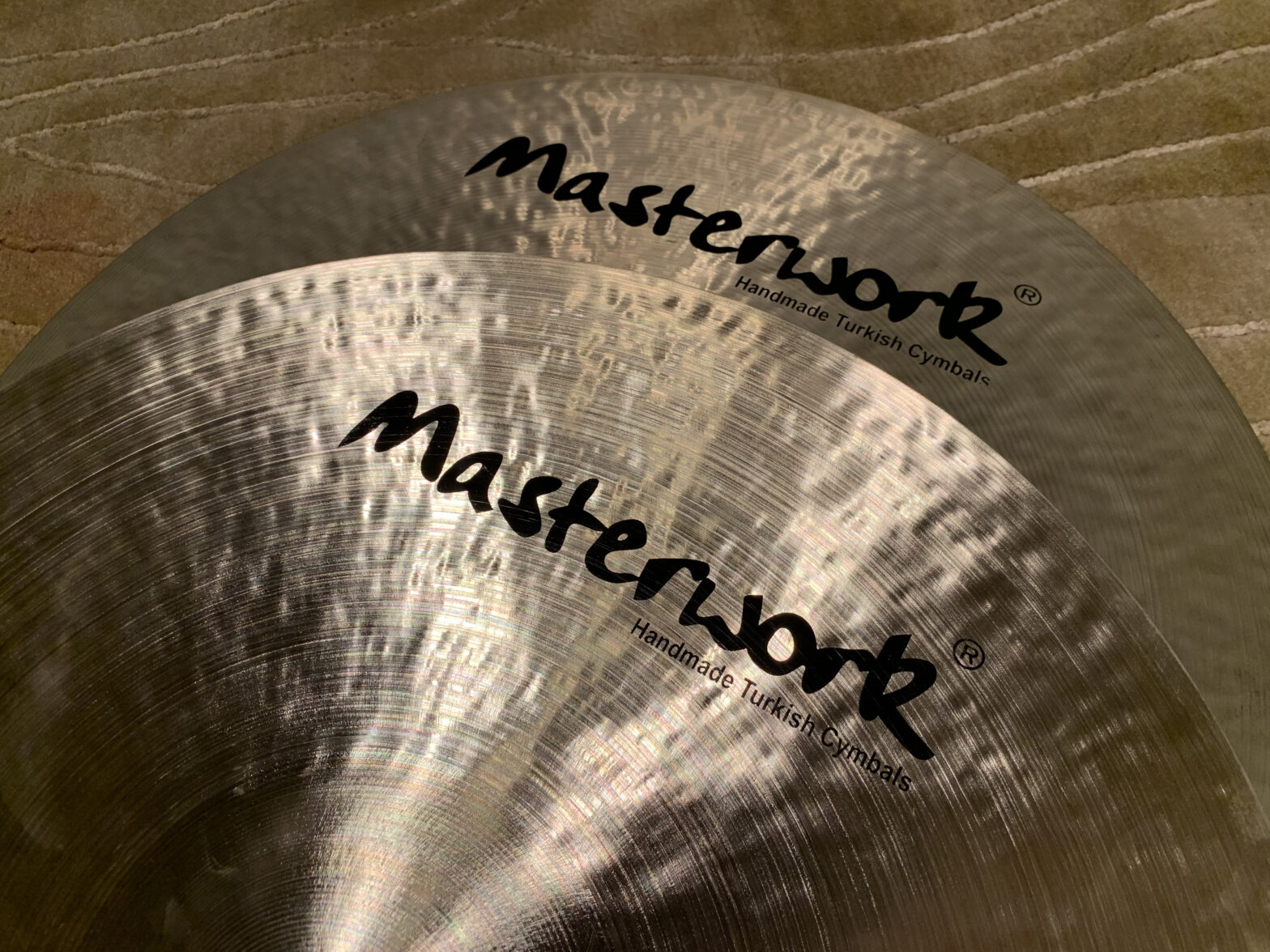
Cymbals and their notation in the Russian tradition. If you have ever played cymbals in works from the Russian repertoire (specially from the late 19th-century and the first half of the 20th-century), you may have seen the following symbols: “+” and “o”. They have been driving percussionists mad for a very long time, but this… Continue reading Cymbals and their notation in the Russian tradition
Chinese cymbals, how should I set them up?

Chinese cymbals, how should I set them up? How to set the Chinese cymbals is a question that is asked quite often in groups, forums, etc. I wil try to clarify this issue, but first, let me review their history. Chinese cymbals have been made, literally, for millennia. They were always played in pairs, hitting one… Continue reading Chinese cymbals, how should I set them up?