

The bass drum in “Symphonie Fantastique” (H. Berlioz) Berlioz´s “Symphonie Fantastique” is always a treat. I have played it on many occasions and on different instruments. Playing it again on the week of June 2-6, together with the Orquesta Sinfónica del Principado de Asturias, has been a real pleasure. This time I was on… Continue reading The bass drum in “Symphonie Fantastique” (H. Berlioz)

Category: Technique
Articles dealing with different percussion techniques.
“Scheherezade”, roll or articulate?

“Scheherezade”, roll or articulate? Despite being one of the milestones in the symphonic repertoire, “Scheherezade” features, believe or not, many mistakes and misprints. Belaieff (I have already mentioned him in previous articles) published the score and parts in 1899 in Leipzig. Since then, we have played using the exact same edition: 135 years perpetuating the… Continue reading “Scheherezade”, roll or articulate?
Bowings and stickings: “Polovtsian Dances”

Bowings and stickings: “Polovtsian Dances” Last June 3, GROVER PRO published a video on which I explain the relationship between the bow strokes on string instruments and the stickings on the snare drum. It is a continuation of the one that I already published using Falla´s “The Miller´s Dance” as an example , which you… Continue reading Bowings and stickings: “Polovtsian Dances”
Tchaikovsky´s “Arabic Dance” – Articulate or roll?
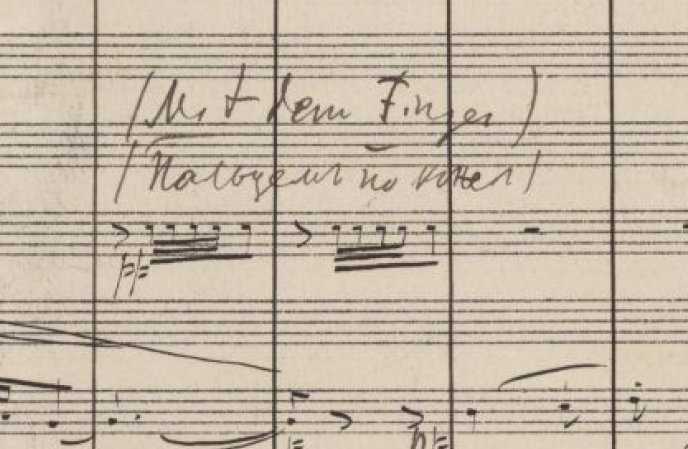
Tchaikovsky´s “Arabic Dance” – Articulate or roll? Last December 27 my article on the tambourine part of Tchaikovsky´s “Arabic Dance” (from “The Nutcracker”) was published on the Grover Pro website. You can read it clicking on the banner below: Thank you very much to Svetlana Manakova for helping me to translate the Russian indications. …et… Continue reading Tchaikovsky´s “Arabic Dance” – Articulate or roll?
Bowings and stickings: “The Miller´s Dance”.

Bowings and stickings: “The Miller´s Dance” Last November 16, Grover PRO published a video on which I stablish a relationship between the bow strokes on the string instruments and the stickings on the snare drum. I am using Falla´s “The Miller´s Dance” (from “The Three Cornered Hat”) to show what I do to phrase… Continue reading Bowings and stickings: “The Miller´s Dance”.
“Lieutenant Kije” and a peculiar tambourine technique

Lieutenant Kijé and a peculiar tambourine technique. On January 2, a new article of mine was published on the Grover Pro Percussion website. © Grover Pro Percussion Dealing with the very specific tambourine technique requested by Prokofiev in “Troika”, you can read it HERE. Tambourine part in “Troika”. …et in Arcadia ego. ©… Continue reading “Lieutenant Kije” and a peculiar tambourine technique
Tambourine in “Polovtsian Dances”: authorship, notation and technique (and II)

Tambourine in “Polovtsian Dances”: authorship, notation and technique (and II). Last Saturday, the second and last part of my article “Prince´s Igor Tambourine Mystery (part 2)” was published on the GroverPro website. You can read it HERE. © Grover Pro Percussion Did you know about this very specific technique? Stay tuned, as future articles will… Continue reading Tambourine in “Polovtsian Dances”: authorship, notation and technique (and II)
Tambourine in “Polovtsian Dances”: authorship, notation and technique (I)

Tambourine in “Polovtsian Dances”: authorship, notation and technique. Last Wednesday, my article “Prince´s Igor Tambourine Mystery (part 1)” was published on the Grover Pro website. You can read it HERE. © Grover Pro Percussion A second article showing the peculiar technique used in dances #8 and #17 will soon be published. …et in… Continue reading Tambourine in “Polovtsian Dances”: authorship, notation and technique (I)
More on cymbals and Russian notation

More on cymbals and Russian notation. Last week I wrote THIS article. While researching on another issue which I will write about soon, I found more music that proves my previous article; namely, that “+” means suspended cymbal played with a soft stick and “o” means cymbals “a 2”. Rimsky-Korsakov wrote the opera-ballet “Mlada”. Its third… Continue reading More on cymbals and Russian notation
Cymbals and their notation in the Russian tradition
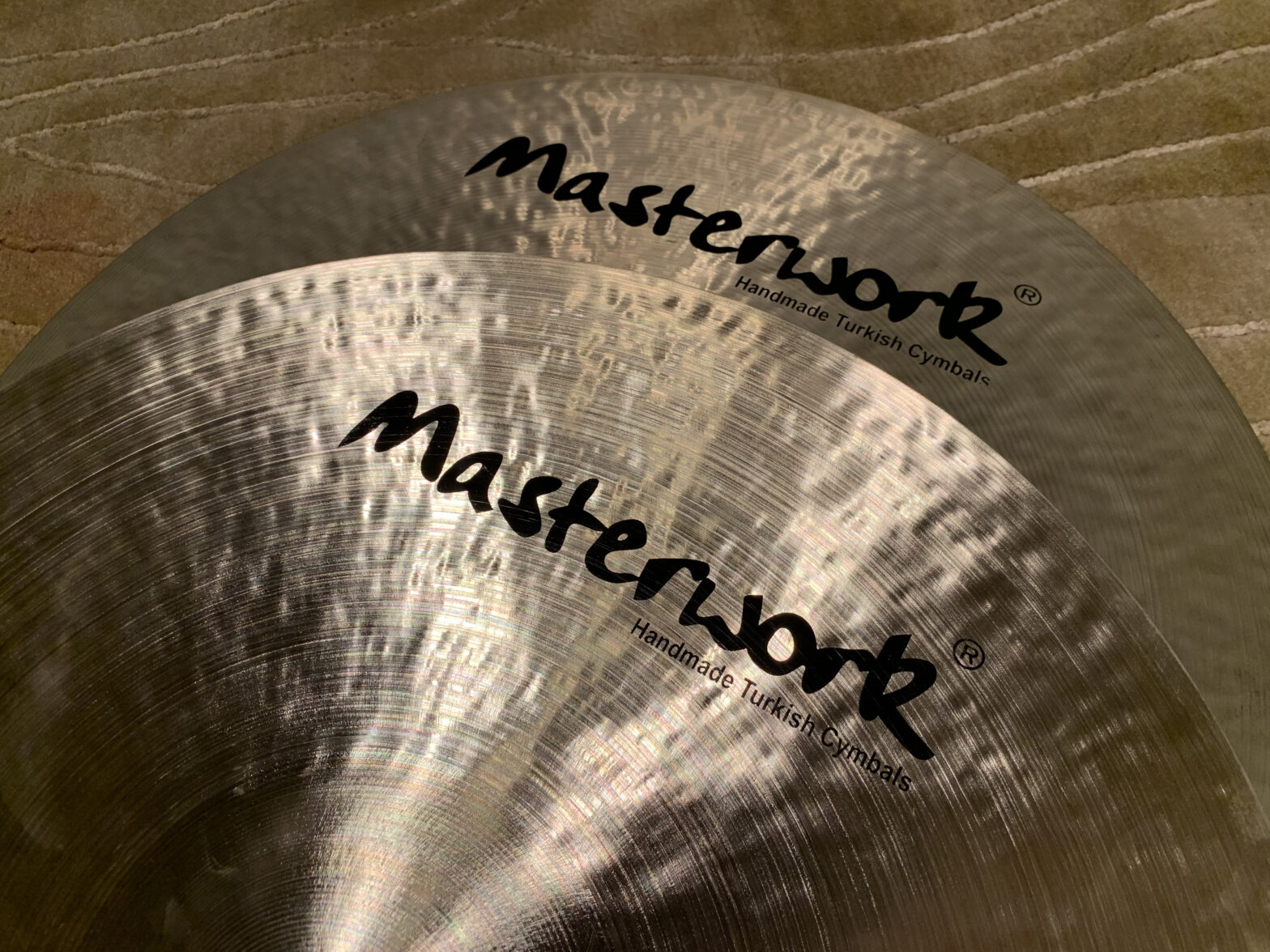
Cymbals and their notation in the Russian tradition. If you have ever played cymbals in works from the Russian repertoire (specially from the late 19th-century and the first half of the 20th-century), you may have seen the following symbols: “+” and “o”. They have been driving percussionists mad for a very long time, but this… Continue reading Cymbals and their notation in the Russian tradition