

Lieutenant Kijé and a peculiar tambourine technique. On January 2, a new article of mine was published on the Grover Pro Percussion website. © Grover Pro Percussion Dealing with the very specific tambourine technique requested by Prokofiev in “Troika”, you can read it HERE. Tambourine part in “Troika”. …et in Arcadia ego. ©… Continue reading “Lieutenant Kije” and a peculiar tambourine technique

Category: History
Articles dealing with the rich history of percussion instruments.
Xylophone in Richard Strauss´ “Salome”

Xylophone in Richard Strauss´ “Salome”. We, percussionists, very often play on instruments that, in reality, are not those that the composer indicated. We have the keyboard xylophone in “Bluebeard“ (B. Bartok), a part impossible to play on a regular xylophone; the glockenspiel parts in many works (“Magic Flute”, Mahler #7, «Daphnis et Chloe», etc.), which… Continue reading Xylophone in Richard Strauss´ “Salome”
“Concerto for percussion and small orchestra” (D. Milhaud)

“Concerto for Percussion and Small Orchestra” (D. Milhaud) Considered one of the first concerti for multipercussion, the Concerto pour batterie et petit orchestre op. 109, by Darius Milhaud, was written between 1929 and 1930. An important work in the percussion repertoire, it is played very often by both students and professionals. It is scored… Continue reading “Concerto for percussion and small orchestra” (D. Milhaud)
Tambourine in “Polovtsian Dances”: authorship, notation and technique (and II)

Tambourine in “Polovtsian Dances”: authorship, notation and technique (and II). Last Saturday, the second and last part of my article “Prince´s Igor Tambourine Mystery (part 2)” was published on the GroverPro website. You can read it HERE. © Grover Pro Percussion Did you know about this very specific technique? Stay tuned, as future articles will… Continue reading Tambourine in “Polovtsian Dances”: authorship, notation and technique (and II)
Tambourine in “Polovtsian Dances”: authorship, notation and technique (I)

Tambourine in “Polovtsian Dances”: authorship, notation and technique. Last Wednesday, my article “Prince´s Igor Tambourine Mystery (part 1)” was published on the Grover Pro website. You can read it HERE. © Grover Pro Percussion A second article showing the peculiar technique used in dances #8 and #17 will soon be published. …et in… Continue reading Tambourine in “Polovtsian Dances”: authorship, notation and technique (I)
My home-made Renaissance drum

My home-made Renaissance drum. A side drum is an ancient kind of large drum that was used in Europe by the landsknechts, mercenaries from the German area. Said troops fought on the side of the highest bidder, and they even were part of the Spanish infantry under emperor Carlos I. Said drum was played… Continue reading My home-made Renaissance drum
Making my own Renaissance long drum

Making my own Renaissance long drum. I always wanted a large drum like that owned by my dear colleague Manolo Durán. © David Valdés His drum has been used by the Oviedo Opera Foundation, by the Asturias Symphony Orchestra in several early music programs. I wanted one like his, but stablished brands do not offer… Continue reading Making my own Renaissance long drum
More on cymbals and Russian notation

More on cymbals and Russian notation. Last week I wrote THIS article. While researching on another issue which I will write about soon, I found more music that proves my previous article; namely, that “+” means suspended cymbal played with a soft stick and “o” means cymbals “a 2”. Rimsky-Korsakov wrote the opera-ballet “Mlada”. Its third… Continue reading More on cymbals and Russian notation
Cymbals and their notation in the Russian tradition
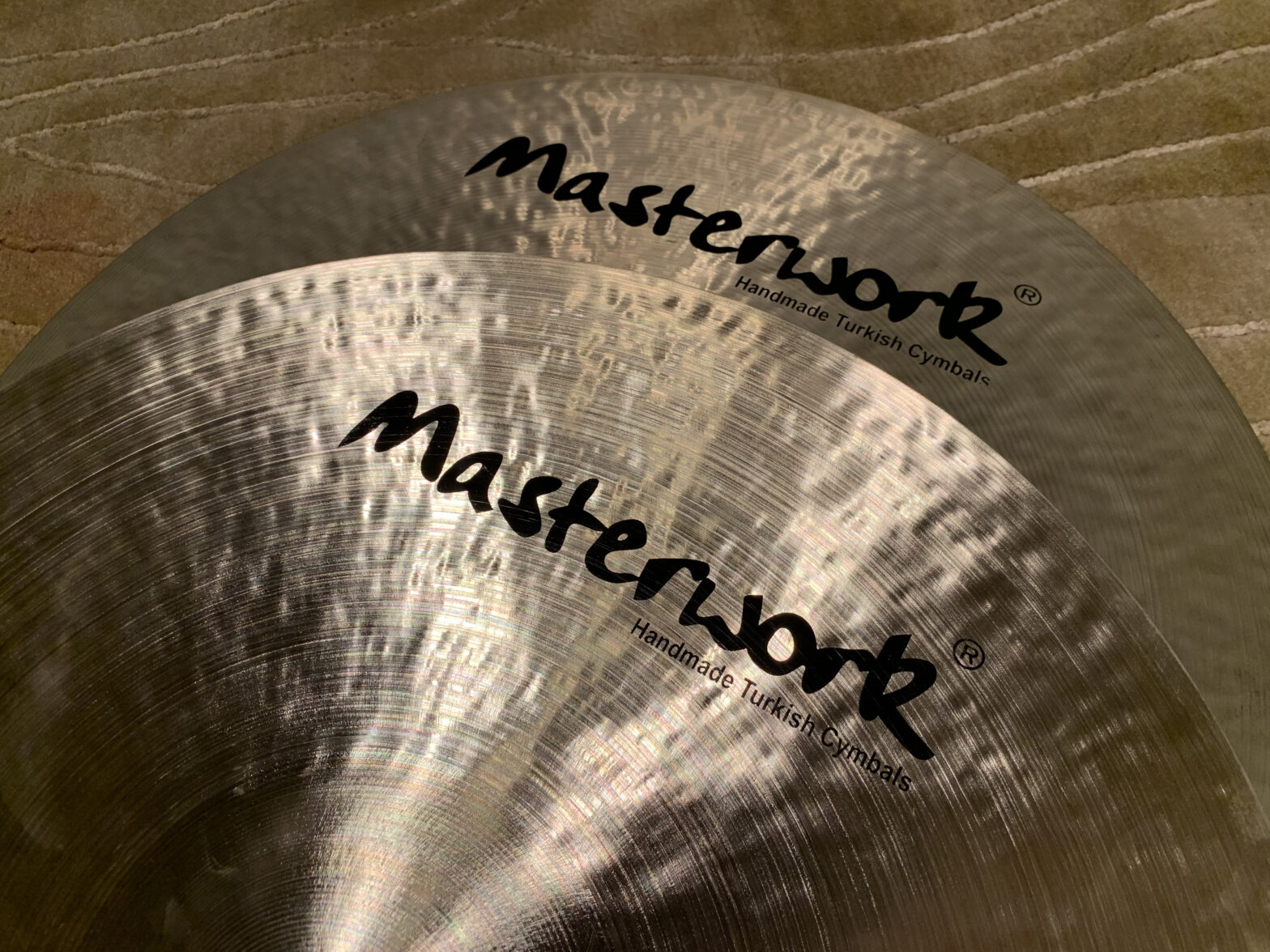
Cymbals and their notation in the Russian tradition. If you have ever played cymbals in works from the Russian repertoire (specially from the late 19th-century and the first half of the 20th-century), you may have seen the following symbols: “+” and “o”. They have been driving percussionists mad for a very long time, but this… Continue reading Cymbals and their notation in the Russian tradition
Home-made “Baguettes d´éponge”

Home-made “Baguettes d´éponge”. Berlioz was a composer who showed a real interest in percussion and greatly contributed to its development. Trying to improve the timpani sound, he advocated the use of different types of sticks to enrich the color palette produced by these instruments. One of the types of stick that he indicated was “baguettes… Continue reading Home-made “Baguettes d´éponge”