

Tambourine in “Polovtsian Dances”: authorship, notation and technique (and II). Last Saturday, the second and last part of my article “Prince´s Igor Tambourine Mystery (part 2)” was published on the GroverPro website. You can read it HERE. © Grover Pro Percussion Did you know about this very specific technique? Stay tuned, as future articles will… Continue reading Tambourine in “Polovtsian Dances”: authorship, notation and technique (and II)

Tag: Glazunov
Tambourine in “Polovtsian Dances”: authorship, notation and technique (I)

Tambourine in “Polovtsian Dances”: authorship, notation and technique. Last Wednesday, my article “Prince´s Igor Tambourine Mystery (part 1)” was published on the Grover Pro website. You can read it HERE. © Grover Pro Percussion A second article showing the peculiar technique used in dances #8 and #17 will soon be published. …et in… Continue reading Tambourine in “Polovtsian Dances”: authorship, notation and technique (I)
More on cymbals and Russian notation

More on cymbals and Russian notation. Last week I wrote THIS article. While researching on another issue which I will write about soon, I found more music that proves my previous article; namely, that “+” means suspended cymbal played with a soft stick and “o” means cymbals “a 2”. Rimsky-Korsakov wrote the opera-ballet “Mlada”. Its third… Continue reading More on cymbals and Russian notation
Cymbals and their notation in the Russian tradition
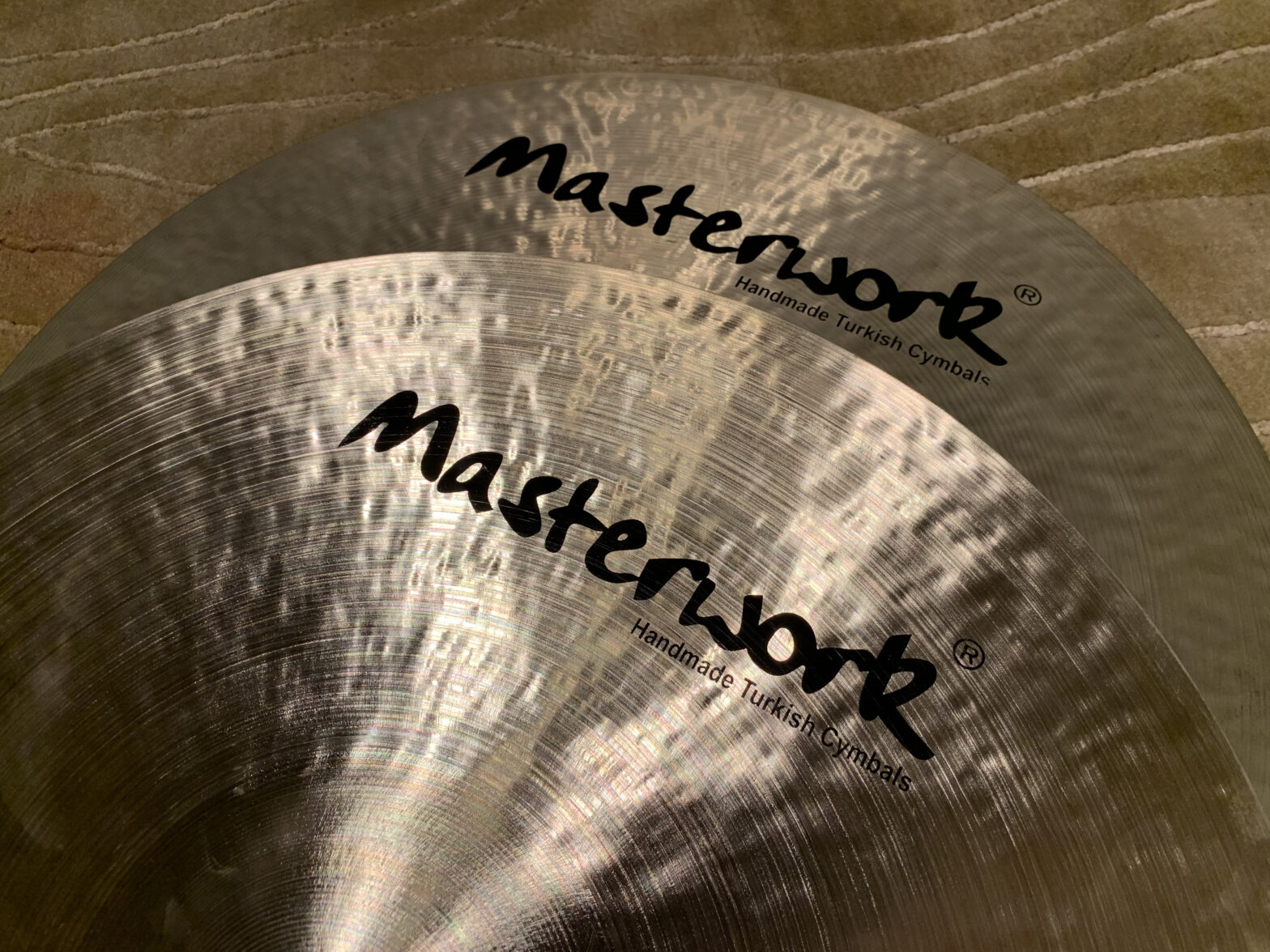
Cymbals and their notation in the Russian tradition. If you have ever played cymbals in works from the Russian repertoire (specially from the late 19th-century and the first half of the 20th-century), you may have seen the following symbols: “+” and “o”. They have been driving percussionists mad for a very long time, but this… Continue reading Cymbals and their notation in the Russian tradition