

Making my own Renaissance long drum. I always wanted a large drum like that owned by my dear colleague Manolo Durán. © David Valdés His drum has been used by the Oviedo Opera Foundation, by the Asturias Symphony Orchestra in several early music programs. I wanted one like his, but stablished brands do not offer… Continue reading Making my own Renaissance long drum

Category: Orchestral
Articles dealing with orchestral percussion.
More on cymbals and Russian notation

More on cymbals and Russian notation. Last week I wrote THIS article. While researching on another issue which I will write about soon, I found more music that proves my previous article; namely, that “+” means suspended cymbal played with a soft stick and “o” means cymbals “a 2”. Rimsky-Korsakov wrote the opera-ballet “Mlada”. Its third… Continue reading More on cymbals and Russian notation
Cymbals and their notation in the Russian tradition
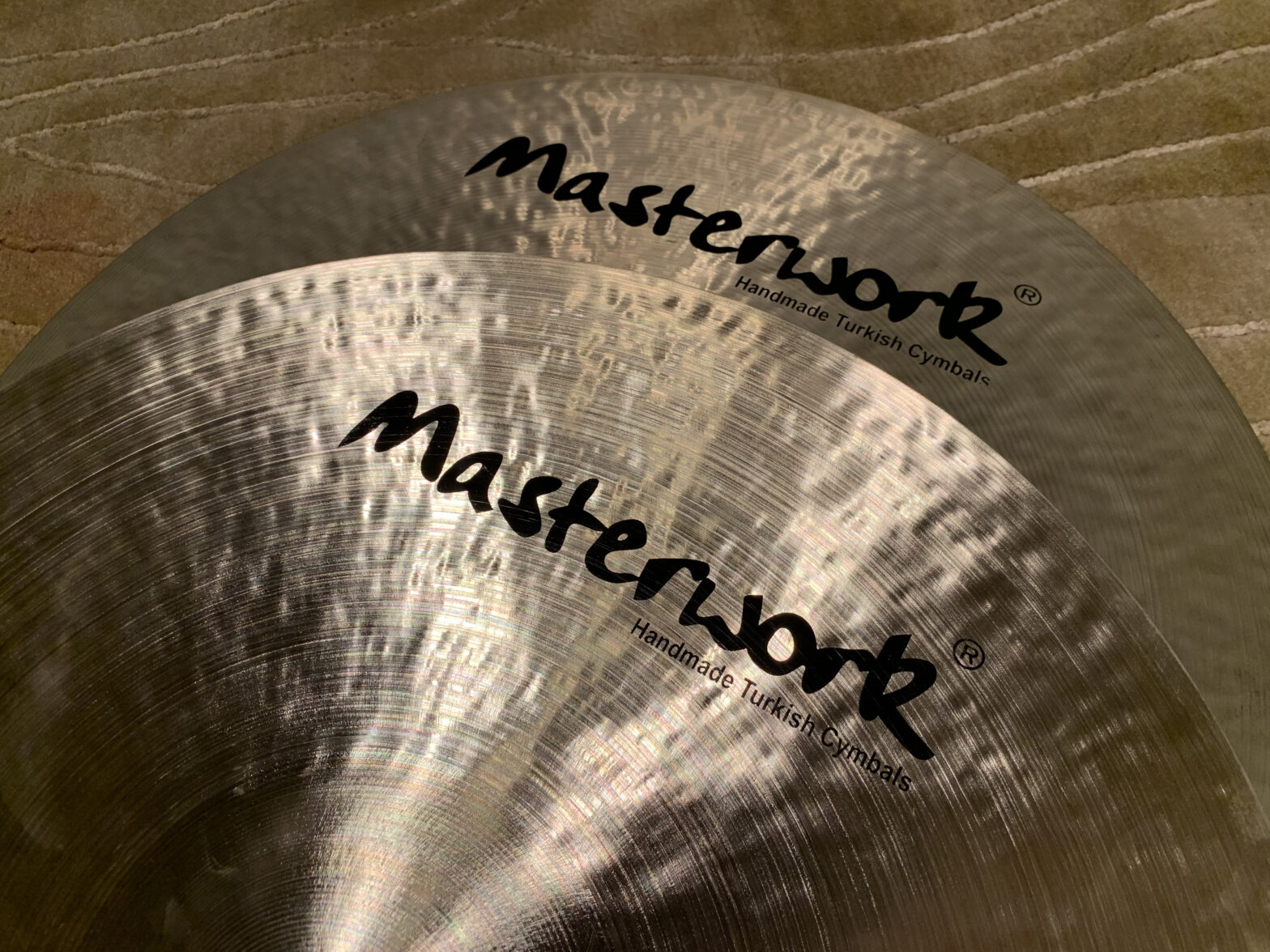
Cymbals and their notation in the Russian tradition. If you have ever played cymbals in works from the Russian repertoire (specially from the late 19th-century and the first half of the 20th-century), you may have seen the following symbols: “+” and “o”. They have been driving percussionists mad for a very long time, but this… Continue reading Cymbals and their notation in the Russian tradition
Home-made “Baguettes d´éponge”

Home-made “Baguettes d´éponge”. Berlioz was a composer who showed a real interest in percussion and greatly contributed to its development. Trying to improve the timpani sound, he advocated the use of different types of sticks to enrich the color palette produced by these instruments. One of the types of stick that he indicated was “baguettes… Continue reading Home-made “Baguettes d´éponge”
Home-made (“DIY”) Turkish crescent

Home-made (“DIY”) Turkish crescent. As you already know, I am really interested in historical percussion and performance. I have always wanted to make a Turkish crescent to play early music, so I finally jumped into it and made my own jingle Johny. Before we get into the specific making-process, I would like to introduce you… Continue reading Home-made (“DIY”) Turkish crescent
“Castagnettes de fer” in “Samson and Delilah”.

“Castagnettes de fer” in “Samson and Dehlila”. “Samson and Delilah”, by Camille Saint-Saëns, is an opera premiered in 1877 containing some interesting percussion parts. So, the glockenspiel in the 3º scene of the 3º act is a usual suspect in audition lists, the timpani part in the “Bacchanale” is a good one (and also an… Continue reading “Castagnettes de fer” in “Samson and Delilah”.
A curiosity: on the anatomical and physical conditions required to play a drum

A curiosity: on the anatomical and physical conditions to play a drum. As you already may know, I have a keen interest in everything related to the history and tradition of drums. Searching for information in the Biblioteca Virtual del Ministerio de Defensa (“Virtual Library of the Ministry of Defense”), I found a book entitled… Continue reading A curiosity: on the anatomical and physical conditions required to play a drum
The New Year’s concert, the “Österreichische locke” and tradition on snare drum

The New Year’s concert, the “Österreichische locke” and tradition on snare drum With the New Year´s Concert still fresh, today I´d like to write about something we all like: the snare drum “solo” preceding the traditional “Radetzky March”. https://www.youtube.com/watch?v=xhEGMSOIptw Here you have the snare drum part. Apart from some misprints here and there, which can… Continue reading The New Year’s concert, the “Österreichische locke” and tradition on snare drum
DIY “Rute”

DIY “rute”. In ten days, rehearsals for Mahler #6 will start. I will be in charge of the bass drum and, as you may know, there is a European tradition which ties together this instrument and the rute. A rute is a bunch of twigs used to hit the bass drum shell, resulting in a… Continue reading DIY “Rute”
“Armonica a bicchieri” in Donizetti´s operas

“Armonica a bicchieri” in Donizetti´s operas. There is a video which has become quite popular among percussionists in the last few days. It features a rehearsal of “Lucia di Lammermoor” at the Metropolitan Opera; more precisely, the famous “mad scene” (“Il dulce suono…”, act III, scene 2). The curious thing about it is its historically… Continue reading “Armonica a bicchieri” in Donizetti´s operas