

My home-made Renaissance drum. A side drum is an ancient kind of large drum that was used in Europe by the landsknechts, mercenaries from the German area. Said troops fought on the side of the highest bidder, and they even were part of the Spanish infantry under emperor Carlos I. Said drum was played… Continue reading My home-made Renaissance drum

Category: Opinion
Articles on which I express my opinion on different topics.
More on cymbals and Russian notation

More on cymbals and Russian notation. Last week I wrote THIS article. While researching on another issue which I will write about soon, I found more music that proves my previous article; namely, that “+” means suspended cymbal played with a soft stick and “o” means cymbals “a 2”. Rimsky-Korsakov wrote the opera-ballet “Mlada”. Its third… Continue reading More on cymbals and Russian notation
Cymbals and their notation in the Russian tradition
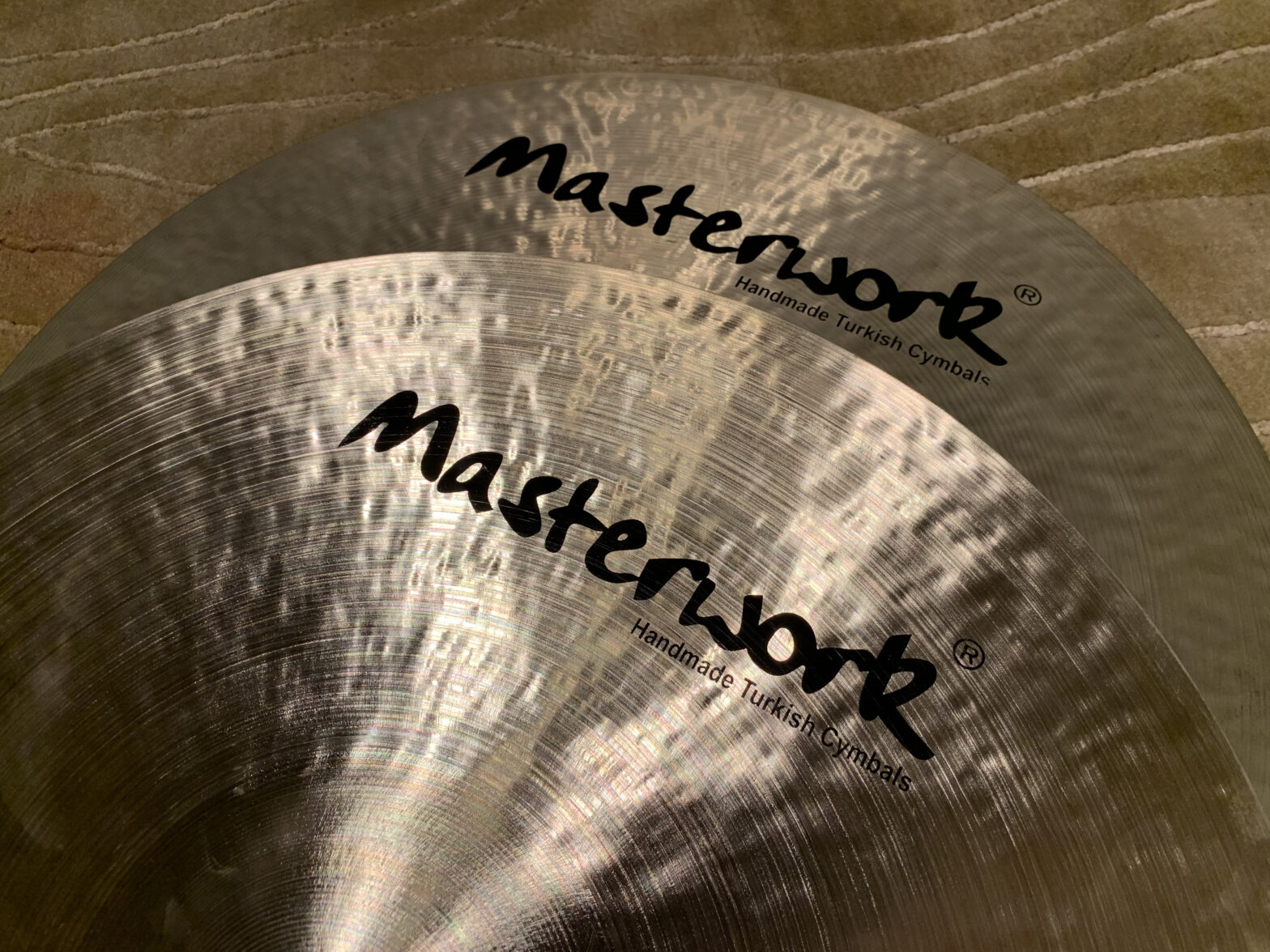
Cymbals and their notation in the Russian tradition. If you have ever played cymbals in works from the Russian repertoire (specially from the late 19th-century and the first half of the 20th-century), you may have seen the following symbols: “+” and “o”. They have been driving percussionists mad for a very long time, but this… Continue reading Cymbals and their notation in the Russian tradition
Home-made (“DIY”) Turkish crescent

Home-made (“DIY”) Turkish crescent. As you already know, I am really interested in historical percussion and performance. I have always wanted to make a Turkish crescent to play early music, so I finally jumped into it and made my own jingle Johny. Before we get into the specific making-process, I would like to introduce you… Continue reading Home-made (“DIY”) Turkish crescent
A curiosity: on the anatomical and physical conditions required to play a drum

A curiosity: on the anatomical and physical conditions to play a drum. As you already may know, I have a keen interest in everything related to the history and tradition of drums. Searching for information in the Biblioteca Virtual del Ministerio de Defensa (“Virtual Library of the Ministry of Defense”), I found a book entitled… Continue reading A curiosity: on the anatomical and physical conditions required to play a drum
Chinese cymbals, how should I set them up?

Chinese cymbals, how should I set them up? How to set the Chinese cymbals is a question that is asked quite often in groups, forums, etc. I wil try to clarify this issue, but first, let me review their history. Chinese cymbals have been made, literally, for millennia. They were always played in pairs, hitting one… Continue reading Chinese cymbals, how should I set them up?
DIY “Rute”

DIY “rute”. In ten days, rehearsals for Mahler #6 will start. I will be in charge of the bass drum and, as you may know, there is a European tradition which ties together this instrument and the rute. A rute is a bunch of twigs used to hit the bass drum shell, resulting in a… Continue reading DIY “Rute”
“Armonica a bicchieri” in Donizetti´s operas

“Armonica a bicchieri” in Donizetti´s operas. There is a video which has become quite popular among percussionists in the last few days. It features a rehearsal of “Lucia di Lammermoor” at the Metropolitan Opera; more precisely, the famous “mad scene” (“Il dulce suono…”, act III, scene 2). The curious thing about it is its historically… Continue reading “Armonica a bicchieri” in Donizetti´s operas
“The Timpani and Percussion Instruments in 19th-century Italy”

“The Timpani and Percussion Instruments in 19th-century Italy” Because I have been a very good boy during this last year, the Three Wise Men brought me as a present the book “The timpani and percussion instruments in 19th-century Italy”, written by Renato Meucci, translated into English by Michael Quinn and edited by Banda Turca. ©… Continue reading “The Timpani and Percussion Instruments in 19th-century Italy”
The tenor drum, that great unknown

The tenor drum, that great unknown. The tenor drum is an instrument not very well known; even seasoned percussionists mistake it for the military drum, another member of the percusive family. This article will define its characteristics and make clear what instrument it is. At first I thought that this article would make not much sense… Continue reading The tenor drum, that great unknown