DERI has not a meaning in German; it is the acronym of DEibel and RImmel, as Max Deibel and Karl Rimmel were the founders of this brand.
Karl Rimmel started with a music store in Kempten (South-West Bayern) back in 1935. It was not until the 50s that he started making drums (it is believed that we won a lottery prize, which allowed him to invest in machinery).
Like Trixon and Sonor did at that time, DERI also experimented with unsual shapes.
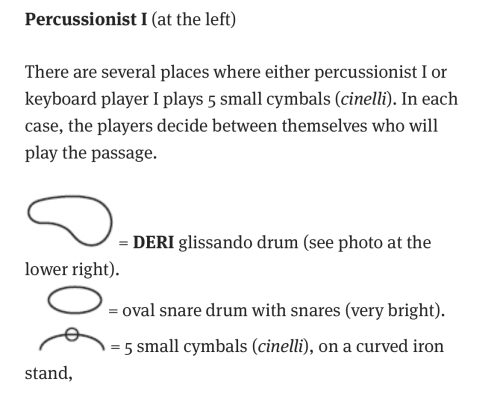
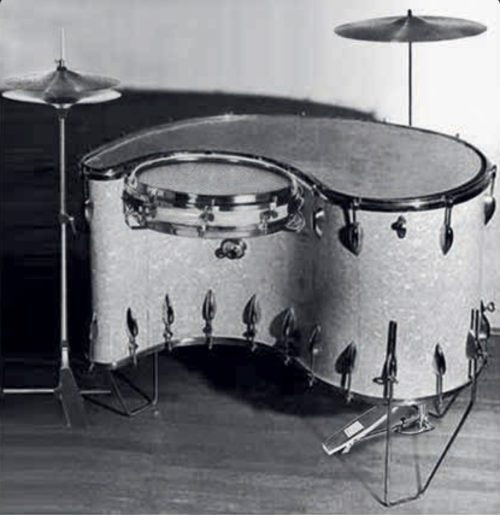
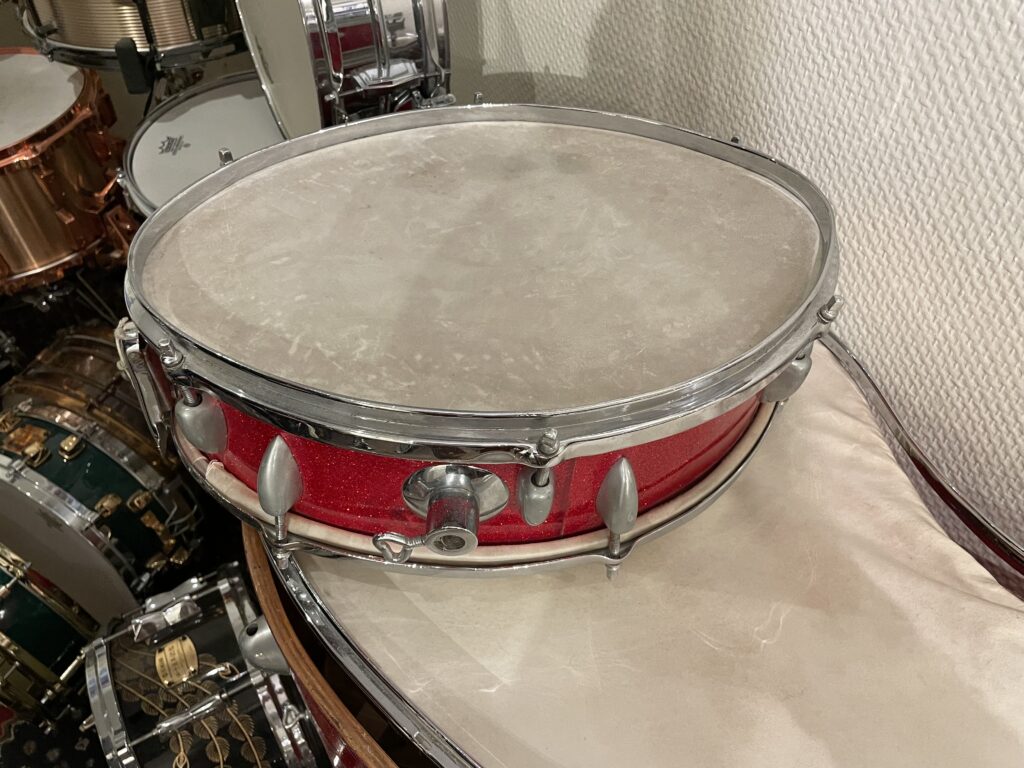
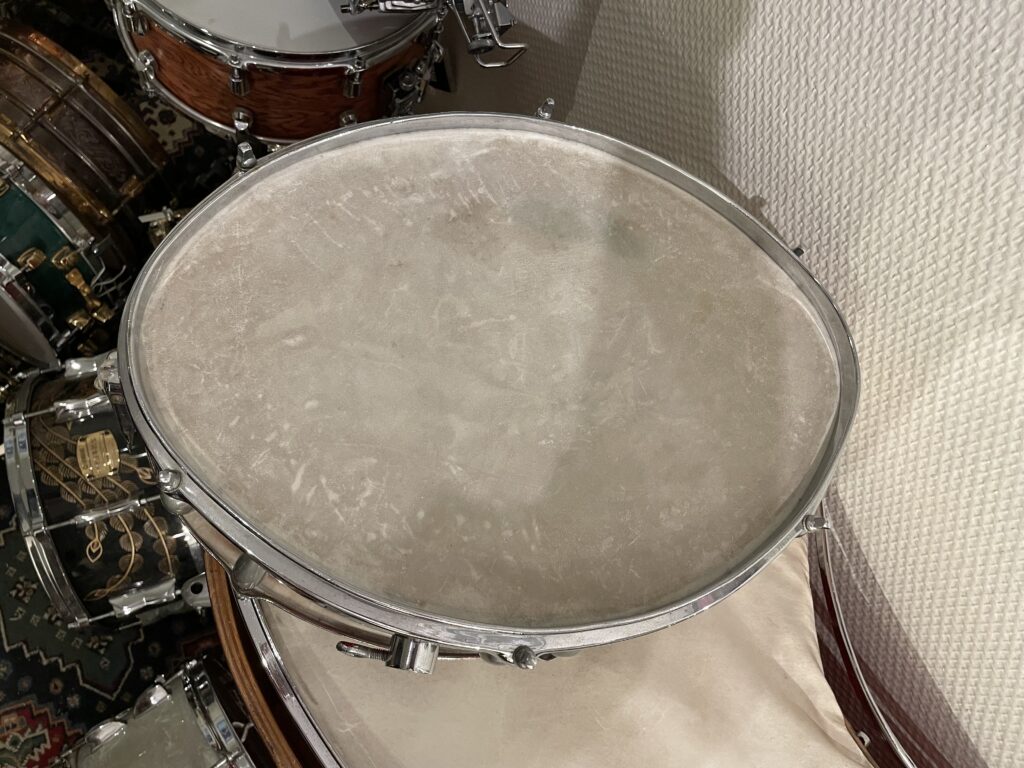
Note that the shape of the bass drum perfectly matches the diagram above in Stockhausen´s instructions. Note also that the set is of the cocktail type, the pedal hitting from below and the bass drum also serving as a tomtom. The snare drum, oval shaped (which is also identical to the diagram in the instructions), is attached to the bass drum with an arm (it is not very clear in the photo due to perspective, but the snare drum is, indeed, oval).
Therefore, the composer indicated a specific brand and model. This is an unusual case in Music History (a similar is case is found in “Carnival of the Animals”, where the editor provides an address in Paris where to purchase the then not very common xylophone).
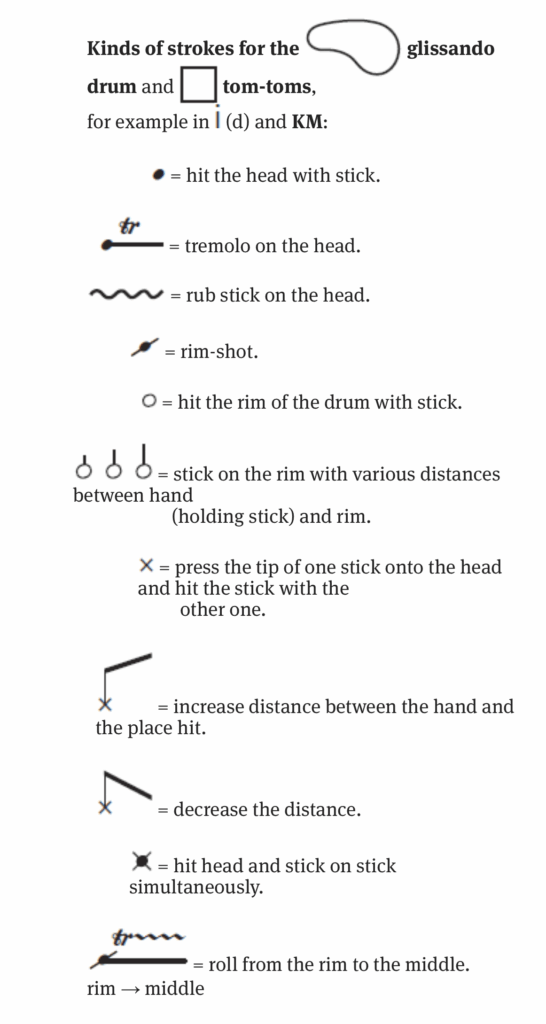
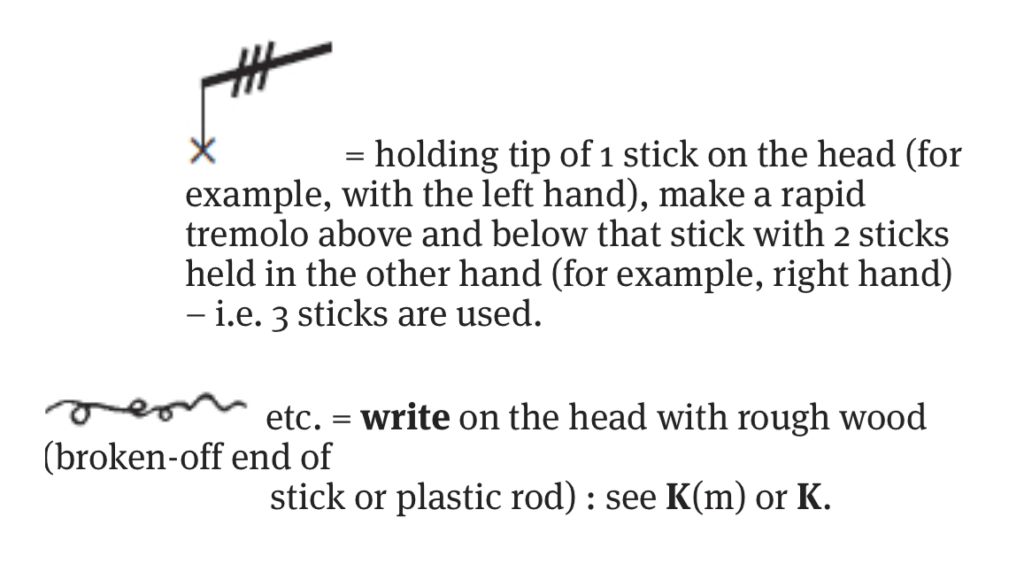
Stockhausen not only indicated a very specific brand and model, but very detailed techniques.
It is very obvious that Stockhausen composed with a very specific drum in mind. The problem is that Max Deibel died during the early 60s, exactly coinciding with the beginning of the composition of “Momente” (1962). Taking into account that DERI only made about 50 units of his “normal” models, it is easy to deduct that very few units were made of these “soft Dalinian” drums. It is, no doubt, an extremely rare instrument.
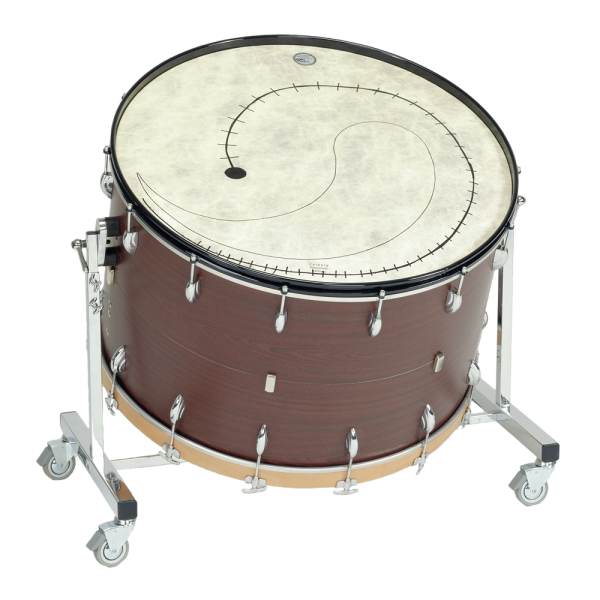
Because of its rarity, the composer turned to Kolberg, which made a specific drum for this work:
The original DERI had caught my attention several years ago, but I had never seen one (and I had lost all hope, as it is such a rare drum). Everything changed this last week while in Norway playing with the Bergen Philharmonic. There I knew Tom Haakon Bjorkhaug, owner of Musikk-Miljo Pro Perc, which distributes many percussion brands, Grover among them, and that is why he attended my masterclass at the Grieg Academy. He, very generously, donated a tambourine to be presented to one of the students attending.
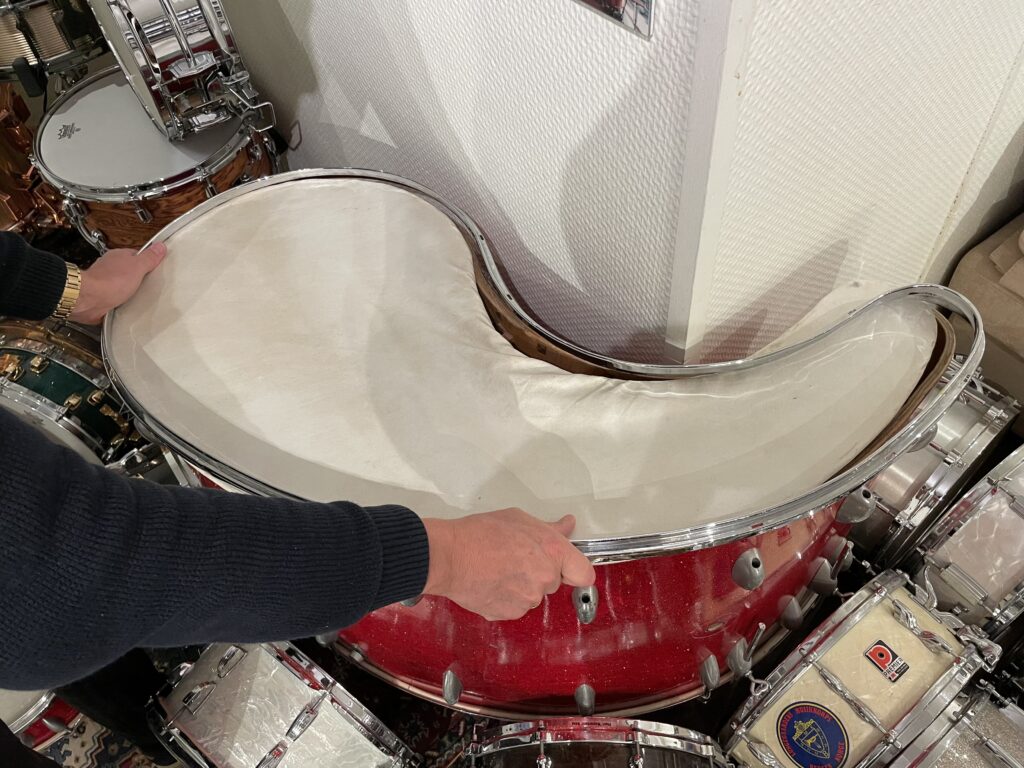
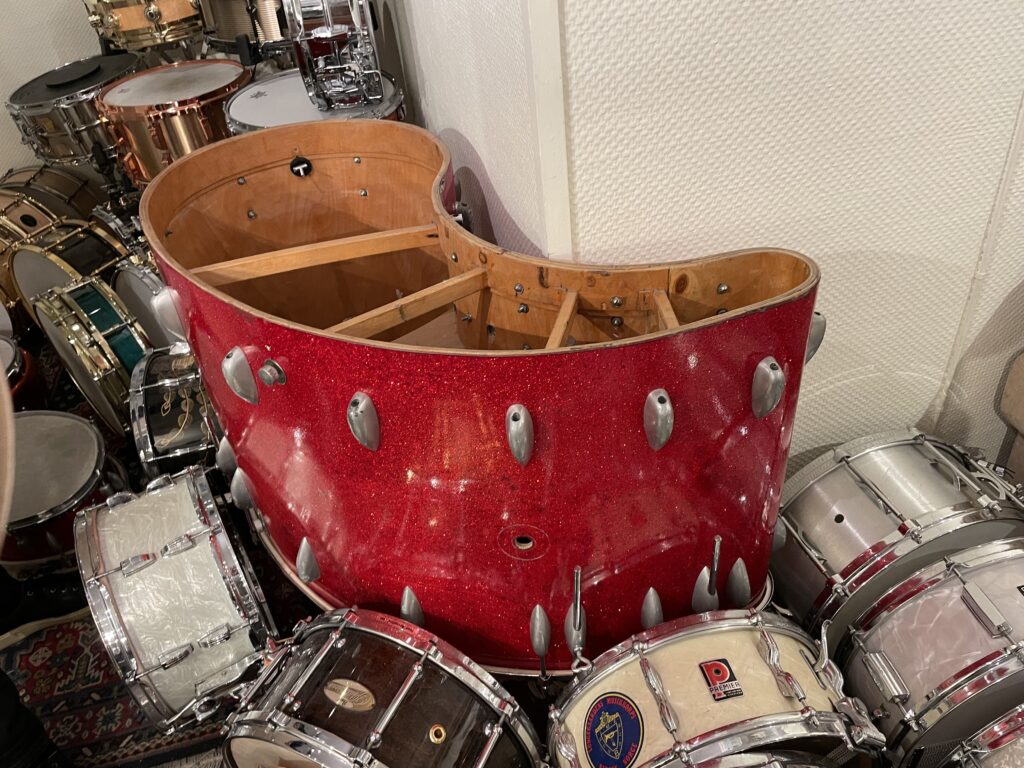
To thank him for his support and help, I payed a visit to his store. He invited me to coffee and we chatted for hours!!. Tom owns an INCREDIBLE collection which can even amaze percussion hoarders like myself. The quantity and quality of his specimens are UNBELIABLE. There I found this beauty:
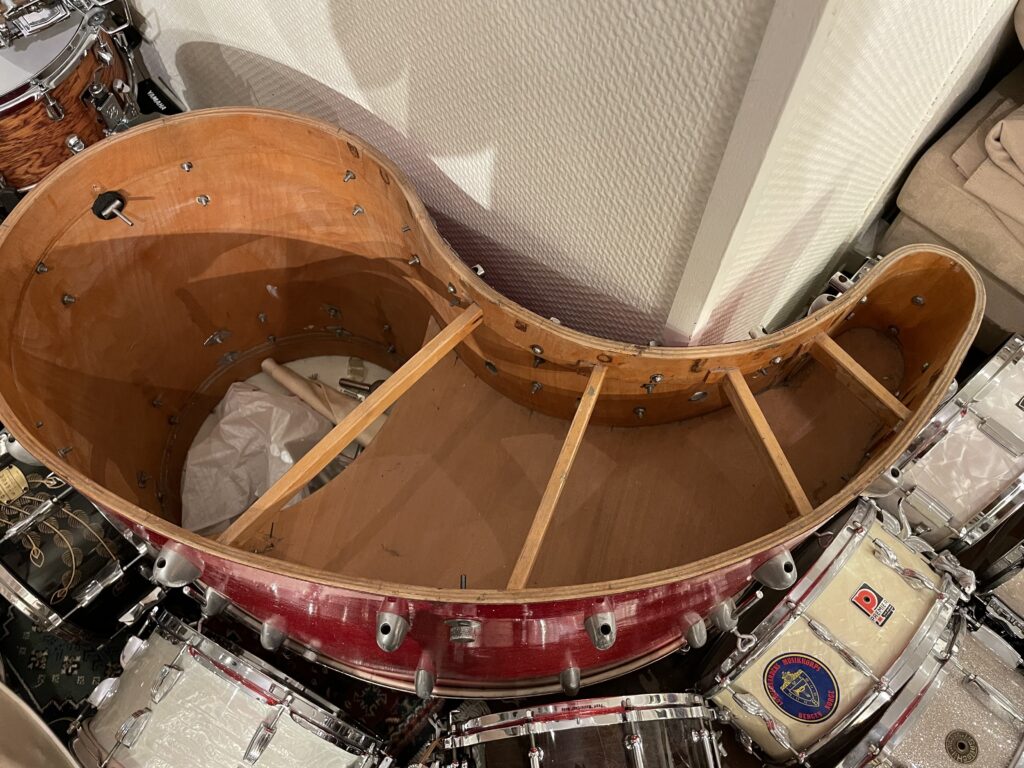
The shell features reinforcement slats to keep the peculiar shape of the drum. It also features a flat sheet inside; it cannot be seen very well in the photo, but it is tilted towards the wide side. This way, the depth varies with the width, producing the desired effect: differente sounds depending on the zone of the head that we hit on. If we rub along the drumhead with different sticks (as indicated in the instructions) we get the requested glissando.
As if this was not enough, Tom not only owns the bass drum, he also owns the corresponding snare drum!!
This is a UNIQUE instrument that, like many before, made the move from popular music to “classical” one. It is so unique that it is asked for only in “Momente”. Getting the original is like getting a unicorn, and getting the Kolber substitute is very expensive (as with everything from this brand).
You can see it here as a floor tom in a drumkit:
Here it is in Stockhausen´s “Momente”:
Two very different contexts, but it is the same drum built by DERI.
I am glad to have met Tom, his amazing collection of drums and these “soft-melting” drums.