In 1941, just one year and four months after the outbreak of World War 2 and still another your years ahead before it concluded (1945), the Belgian politician exiled in London Victor de Laveleye was in charge of the broadcasts for the German-occupied Belgium.
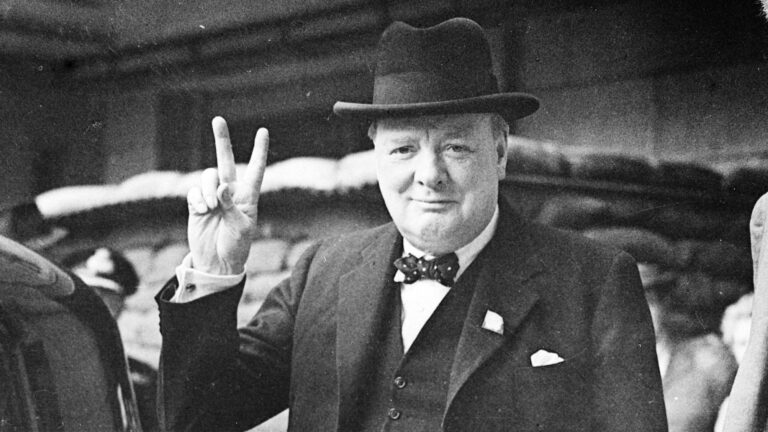
While working for the BBC, he had the idea of using de letter “V” as a symbol of victory against the nazis. The letter “V” can be formed by extending the index and middle fingers, grafitti were painted, “V” cocktails were created, people seated spreading their legs shaping a “V”, clocks were stopped forming a “V” and the citizens, famous and anonimous, used the sign with profusion. The “V” for “Victory” campaign was a great success.
This symbol or resistence became so popular that the BBC decided to assignate it a sound so it could be even more present. Also, it could even be transmitted on the radio. The Morse code was the obvious option, where “V” is represented by short-short-short-long:
Since then, the BBC transmissions started with the follwing call. It became so popular that people even used it to knock on doors.
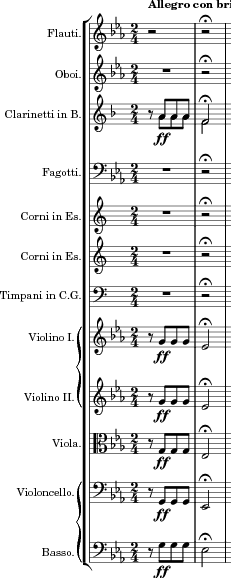
But, that was not only the letter “V” in Morse code. It is quite obvious that the short-short-short-long sequence is a perfect recreation of the super famous opening motive in Beethoven #5:
The “V”, which is the initial letter for “Victory” in many European languages (“victory” in English, “victoire” in French, “vrijheid” in Dutch, “vittoria” in Italian, “victoria” in Spanish, but not in German -“sieg”-), became also a morale ram against the nazis, as the BBC was using the best-known, best-loved German composer, the champion of freedom, the enemy of tyranny, against them. The nazis banned, obviously, this symbol, but it invaded Europe with the invaluable help of the radio.
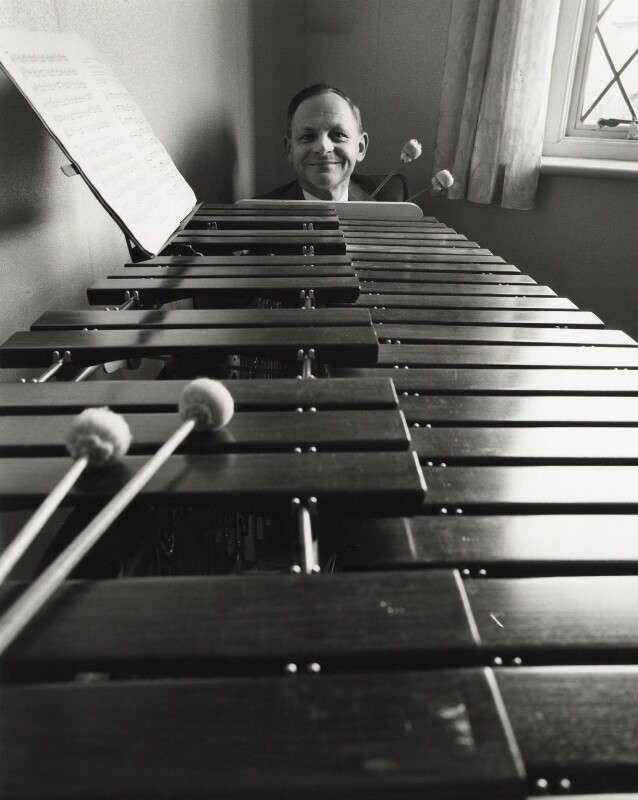
What does this have to do with percussion? Well, someone recorded that drum call… That someone was, nothing more and nothing less, than James Blades, of whom I have already told you about.
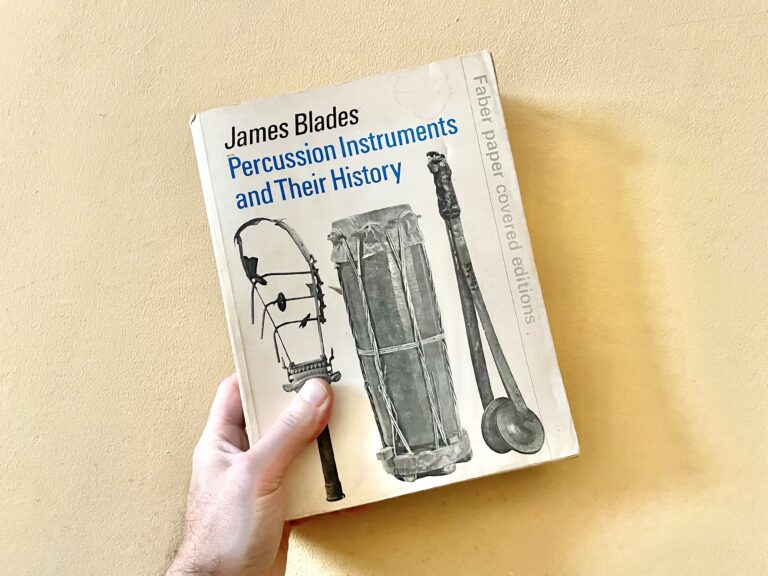
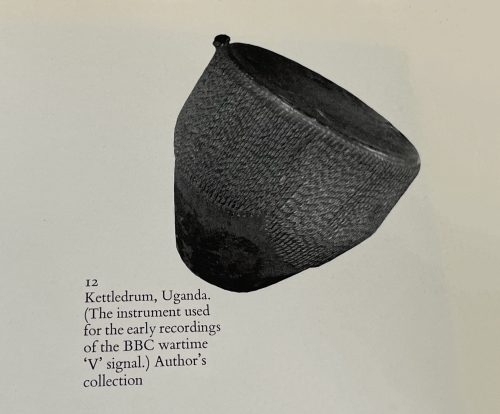
It seems that no photo exists of that recording session, but we positively know the drum that call was recorded on. Blades wrote our “Percussion Bible” in the shape of “Percussion Instruments and their History”, a book that I am constantly re-reading in search of answers.
On plate 12, photographed by Henry Ramage, we can see the original drum used by Blades for recording the “V” for “Victory” call.
While the description is not very detailed, we can say that this drums from Uganda are named Ntenga.
This symbol of resistence against the nazis was recorded by our old friend using a drum in his collection (someone who, when I studied at the Royal Academy in London, was still a big influence in the institution and in the percussion world in general).
We must say that James Blades was a conscientious objector during WWII and that he never fought. This brought him some animosity from the percussion world as, while some of his colleagues lost their lifes, he stayed secure at home. According to some, he used this period to “hoard” and secure gigs. That, some say, is also the reason why many of Britten´s operas feature a single percussionist in charge of a large setup. This is not a well known aspect and people tend to avoid talking about it, but I think it is interesting to get a more complete picture of the person.
An Ugandan drum quoting Beethoven #5 using Morse code, a world war and a conscientious objector, drums for transmitting signals on the field or through the radio… A truly unique and interesting combination in which every single element fits perfectly.